



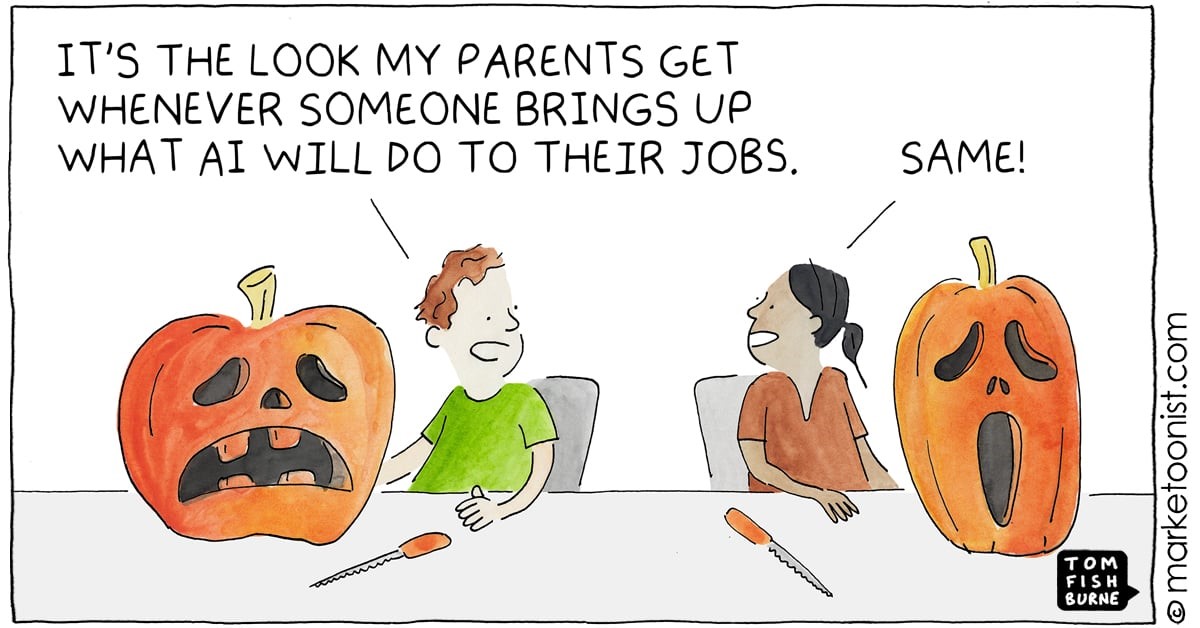
Blend Human Judgment and AI: A Parenting Hack for Years to Come
Ever since technology has become an integral part of family life, even parenting looks different now. We mean, just look at the way kids are growing up with smart speakers answering questions, apps organizing routines, and AI tutors helping with homework.
This can feel both exciting and disturbing for modern-age parents.
The truth, however, is that Artificial Intelligence isn’t here to replace anyone. It is just here to support you, which means the real parenting hack is learning how to blend tech with your instincts. They should use AI for efficiency, but lean on their own judgment.
Simply put, the focus is to strike that right balance. Come, let’s explore together the issues that are likely to come up and the solutions to make it doable for every parent across the globe.
Raise Your Kids with Heart & Smart Tech
Were you aware of the fact that nearly 72% (3 of 4) parents are worried that the AI will leave a negative impression on their kids? We wouldn’t say this is wrong, because the care is justified. Nobody wants to lose their young one to mindless screen time and shallow shortcuts.
Yet, at the same time, they also don’t want to raise kids cut off from the reality of the future world. Screens, apps, and AI are already part of school, friendships, and even playtime.
Here’s The Real Dilemma for Guardians
They know saying ‘no’ forever isn’t realistic, but saying ‘yes’ without limits feels risky too. So, the tight spot is to find that space where you just let toddlers and teenagers explore technology while teaching them to stay grounded in real-life values.
It was all a little too intimidating for the parents until a few genius authors decided to handle the situation through their books. Yes, they identified the growing anxiety, and instead of leaving families to figure it out alone, these books offered practical strategies and relatable stories. Below are some very effective, must-read titles.
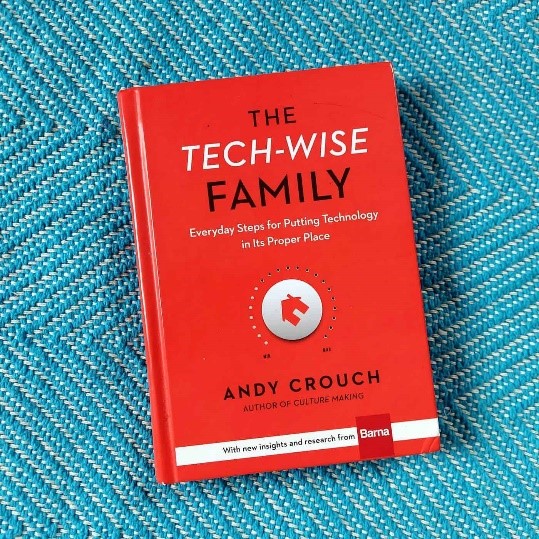
The Tech-Wise Family by Andy Crouch
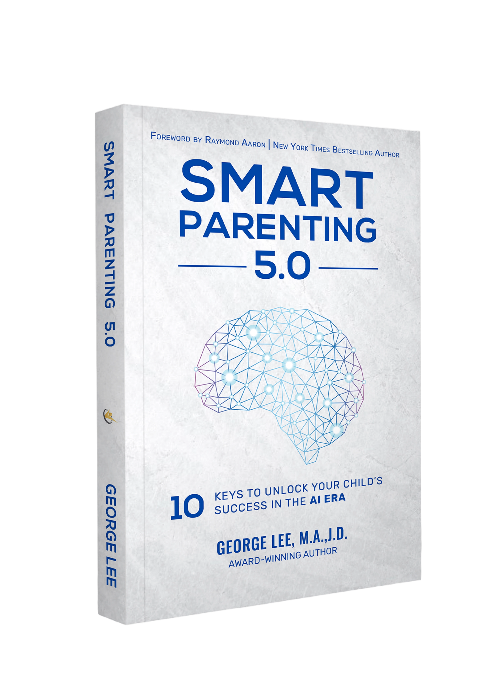
SMART Parenting 5.0 by George Lee
Brain Child by Tony Buzan

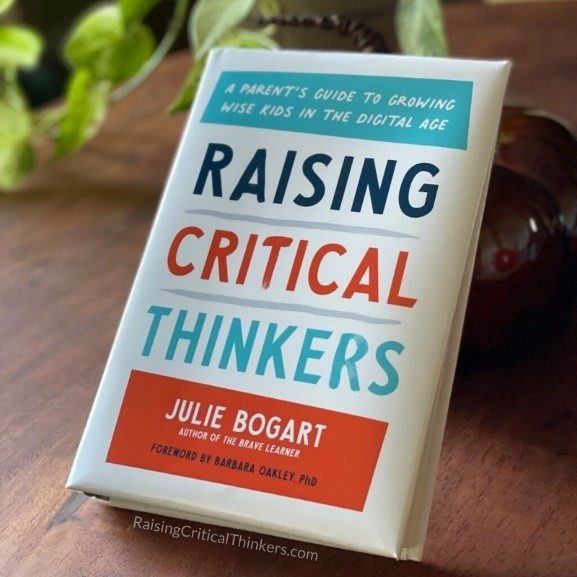
Raising Critical Thinkers by Julie Bogart
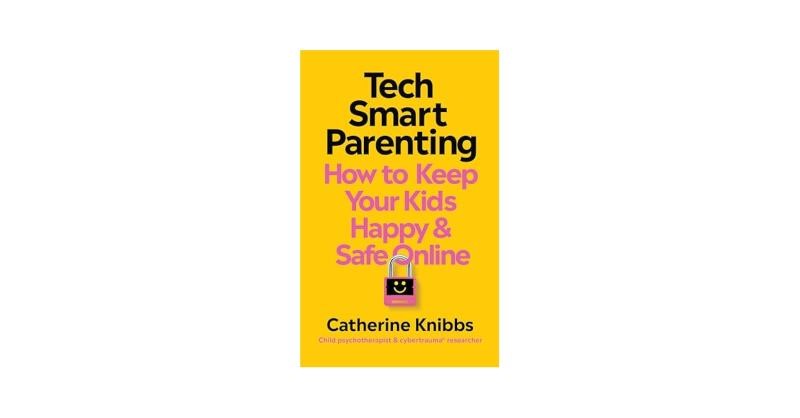
Tech-Smart Parenting by Katherine Knibbs
10 Everyday Parenting Tasks That AI Can Help With
Based on surveys, it is found that 28% of the guardians were very interested in understanding artificial intelligence, while the other 45% were somewhat concerned. This means the majority is still inclined towards adapting if given a chance. However, they won’t seek it out. Keeping that in mind, we prepared a list of tasks that these parents can use smart tech for.
- Smart tools can organize daily routines by sending reminders for various events.
- They can suggest age-appropriate learning activities and games to keep children engaged.
- Homework becomes easier when a chatbot explains tricky ideas in child-friendly language.
- Meal planning is simplified with recipe suggestions tailored to a family’s likes and needs.
- Screen time can be monitored, with alerts when agreed limits are reached.
- Online content is filtered to ensure children access safe and age-appropriate material.
- Bedtime can be calmer with digital storytelling.
- Growth milestones are tracked, with reminders for important health checkups.
- Language learning is supported through instant translations and playful word games.
- Every day ‘why’ questions children ask can be answered quickly, keeping curiosity alive.
The Risks of Relying Too Much on AI for Parenting
Who are we kidding? Let us be honest, technology has slipped into almost every corner of family life. From bedtime stories read by smart speakers to homework explained by digital tutors, it feels like there’s always a tool ready to step in. And while that can be incredibly convenient and important, relying too much on these shortcuts comes with hidden risks.
Therefore, it is important to understand that children don’t just need answers. Instead, they need emotional guidance, patience, and the kind of empathy only a parent can model. They need SMART parenting. Where:
- S = Support, that you constantly provide.
- M = Mindful, that you continue to be, despite any situation.
- A = Adjusting, that you are ready for whenever needed.
- R = Reflect, that you do before making any choices.
- T = Trust, which you build by showing your child your love, care, and respect.
All in all, if we let devices handle too much, kids may grow up missing those subtle lessons. Such as how to manage frustration, show kindness, or think critically when things don’t go as planned. This is where emotional checks become quite important. We know it is difficult to pause before accepting every AI tool and ask:
- Does this reflect my values?
- Does it help my child grow beyond convenience?
But, something you just have to do anyway.
FAQs
1. Can AI replace a parent’s role?
AI can support with reminders, ideas, or explanations, but it can’t replace love, empathy, or values. Parenting is about connection and judgment—AI is just a tool to lighten tasks, not a substitute for human presence.
2. Is it safe to let children interact directly with AI tools?
It can be safe if parents guide the experience. Choose child-friendly platforms, set boundaries, and stay involved. AI works best when kids know it’s a helper, not a decision-maker, and parents remain the filter.
3. What’s the best way to introduce AI tools to children?
Start small and purposeful—like using AI for homework help or creative games. Explain clearly that it’s a tool, not a “know-it-all.” Keep the tone playful and curious, so kids learn to question and think critically.
4. How do parents balance screen time when AI is involved?
Balance comes from intention. Use AI for learning or creativity, not endless scrolling. Pair screen time with offline family activities, and remind kids that tech is a tool, while real connection happens away from screens.
The Final Words
The bottom line of this discussion is that none of the positive parenting books ever said a parent should fully give in to technology or become dependent on the AI. But each of them does have a common message that there should be a rightful balance.
A balance that isn’t about banning technology. It is rather about blending it wisely with traditional values for a future-ready kid. Someone both emotionally intelligent and intellectual. For this, parents need to use smart tools for several daily tasks. For say, reminders, learning support, or even safety, but keep the heart of parenting rooted in conversation, storytelling, and shared experiences.