




3 Top-Rated Parenting Books for the AI-Era That You Must Read
Kids today often spend more time talking to screens than to their parents. Is that the story of your house, too? Whether it is asking Siri for homework help or watching YouTube for hours, technology is thoroughly shaping childhood in ways the parents never imagined.
However, as moms and dads, we can’t just unplug everything.
The better way out is to guide our kids through this new AI world, and for that, we are required to read parenting books. Many of you might still not know which ones to read, so to make your journey easier, we have shortlisted three such manuscripts. This post is all about these wonderful reads that will be changing your parenting perspective once and forever.
Three Must-Read Parenting Books in the AI Era
For generations, child raising was dependent on fixed routines and traditions. Such that the families would rely on face-to-face conversations, outdoor play, and disciplines that the society taught them. Moreover, guidance used to come from elders, not algorithms. All in all, parents would make their kids practice patience by making them wait in line or exploring libraries.
But today, thanks to technology, we are living in a world of instant answers. Life has changed big time, which means teens and toddlers are now learning from apps. They are asking questions to chatbots and spending hours in digital worlds.
All of this still doesn’t mean that old parenting styles are outdated. However, it does mean that we need to blend the two approaches. Timeless lessons have to mix in with modern tools to give this generation the strong parenting it requires. This smart combination would look like:
Wisdom of past generations +Smart AI resources →Future Ready Kids
Here’s Why Top-Rated Parenting Books Are Key
Telling guardians to learn parenting from books is not a very common idea. Some might even get offended, thinking it questions their natural instincts. But then the journey is quite painstaking and complex today. This is why you need manuscripts that are parents’ guide to growing kids in the digital age. They bring in 6 important benefits:
- They introduce practical child care strategies to the guardians.
- Parents get clear advice on balancing digital learning with real-life experiences.
- They get to learn about tools that can help make their child emotionally intelligent.
- The books are basically guidance for protecting children’s privacy and online safety.
- They support parents in preparing kids for AI-driven careers.
- It gives them the confidence to adapt to the digital challenges.
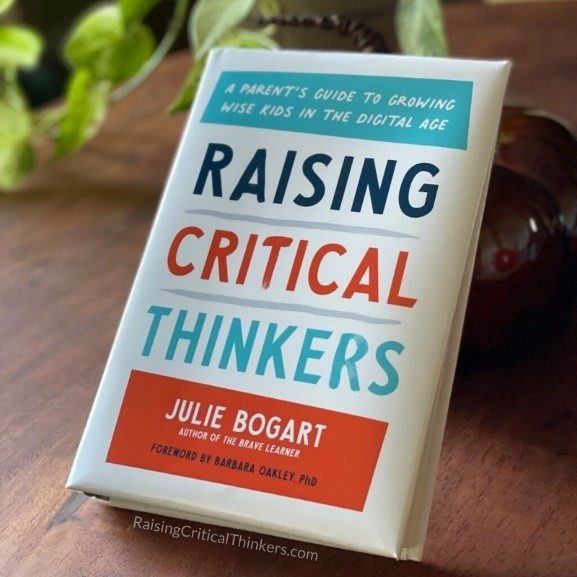
-> Book #1 by Julie Bogart
Raising Critical Thinkers: A Parent’s Guide to Growing Wise Kids in the Digital Age
The manuscript is all about the power of positive parenting, helping parents bring up children who can think for themselves in a world full of screens, ads, and quick online movements. We think it is best to be read because it gives down-to-earth advice and real-life examples that make it easier to guide children with confidence and calm. It also emphasizes the importance of family communication.
- 3 Things That Bogart Has to Say
– You should always help children ask questions and look for different sides of a story. This is better than just letting them believe what they see online.
– Be a role model and show your kids how to use phones, social media, and AI tools wisely. Also, set limits and make time for real-life conversations.
– Remind your kids that kindness, honesty, and empathy matter more than likes or online trends. These values will guide them no matter how much technology changes.
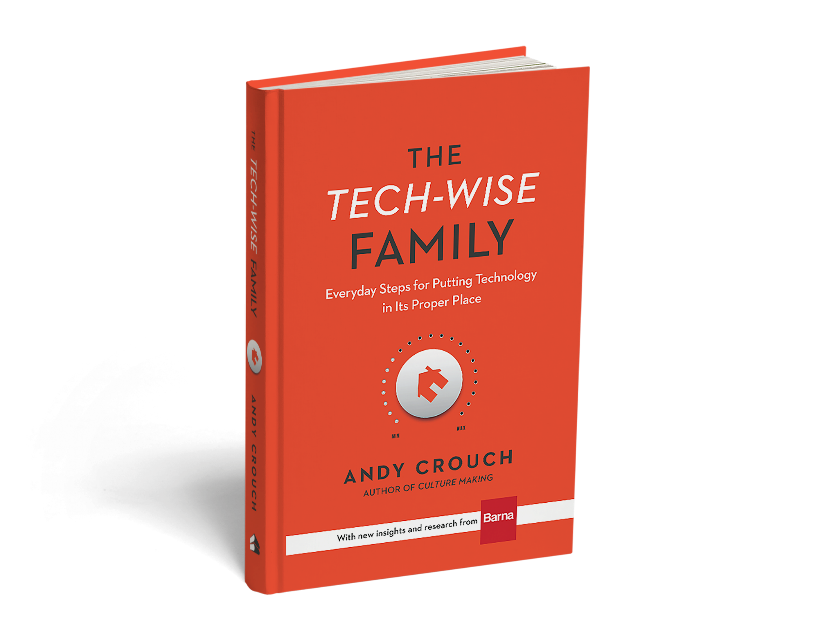
-> Book #2 by Andy Crouch
The Tech-Wise Family: Everyday Steps for Putting Technology in Its Proper Place
This next best pick from the list of parenting books on emotional regulation highlights that mothers and fathers should find a healthy balance between technology and real life. It is worth reading because it offers simple, practical steps for making a home a place where relationships, creativity, and rest come before the gadgets.
- 3 Things That Crouch Wants to Share
– You need to set healthy tech boundaries together with your children. This way, you can schedule a screen time that everyone agrees on. A win-win situation.
– The author suggests that you make space for real life by keeping some times and places screen-free, such as mealtimes or bedrooms. These are the places where you and your little one can connect better.
– Always lead by example because kids learn from what they see. This means when you put down your phones and stay present, children will naturally do the same.
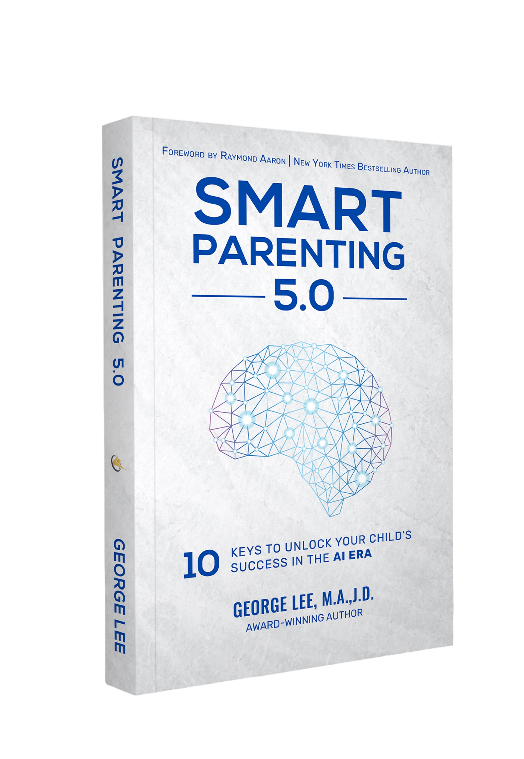
-> Book #3 by George Lee
SMART Parenting 5.0: 10 Keys to Unlock Your Child’s Success in the AI Era
This third smart parenting book is our personal favorite as the script timely reminds parents to step up and lead the change before it challenges your child’s future.
Especially in a world where everything has artificial intelligence in it now. You name it: phones, apps, gadgets, everything. The book by George Lee is also a must-read because it turns big, futuristic ideas into simple, doable steps that fit everyday family life.
Moreover, instead of focusing only on gadgets or apps, it helps parents build a growth mindset for children so that they learn skills every child needs to succeed in the years to come.
- 3 Things That Lee Wants to Share
– You don’t have to be a tech genius, but you just have to understand how technology shapes your child’s habits, thinking, and values. Guide them through it, without force, is the real challenge.
– Parents need to remember that balance is everything. Without the healthy use of AI and screens, their teens and toddlers will never be able to become creative. So, practice more real-life experiences to teach them.
– Finally, teach kids to always question information. When they do it, they eventually start thinking independently and look at AI as only a tool. You also need to show them that in a world of smart machines, it is human judgment, empathy, and curiosity that will set them apart.
FAQs
1. At what age should children start using AI tools like chatbots or learning apps?
Kids can start with simple AI learning apps around age 7–8, when they can read and think critically. Early ages are preferred because the younger the child, the better they absorb.
2. Are AI-based educational apps really effective for learning?
Yes, they can be helpful, especially for practice, quizzes, and personalized feedback. However, they work best when paired with real-world learning. So, it is advised to keep them engaged in discussions and creativity.
3. What signs show my child is becoming too dependent on technology?
The most obvious sign is their irritability. When devices are taken away, you will notice that you will start getting cranky and might even through themselves on the ground crying. Other minor hints are when they skip outdoor play or lose interest in offline hobbies.
4. What skills should parents focus on to prepare kids for an AI-driven future?
Parents should always encourage problem-solving, creativity, empathy, and adaptability. We are not saying that tech skills don’t matter, but there are things that matter more, like communication and teamwork.
The Key Takeaways
The major lessons to grab from this 7-minute read blog are:
- Parenting in the AI-era is more multilayered than traditional styles.
- Books can offer structured guidance to modern-day parents.
- Do not misjudge, as they can teach you how to balance tech use with real-life values.
- Emotional intelligence and resilience remain core skills, together with digital literacy.
- These effective books can help parents protect their kids’ privacy and online safety.
- All in all, future-ready parenting means you need a blended approach in action.
- These 3 top-rated books can provide you with strategies to make all this possible.